Aging Gracefully: Maintaining Your Brain Acute Throughout the Decades


As we grow older, preserving a clear mind becomes equally important to nurturing our physical well-being. Cognitive health is not merely about preventing a decline; it is about enhancing brain function, recollection, and overall well-being through our lifetime. Investigations show that integrating simple routine habits, nourishing our bodies with the healthy foods, and staying intellectually and connected can considerably enhance our mental health.
The process to a stronger brain isn't necessarily intimidating. Through comprehending the relationship between lifestyle choices and brain health, we can take preventive steps to preserve our minds as we grow older. Considering the influence of physical activity and sleep patterns to the benefits of social interaction and creativity, there are a variety of strategies to explore. Throughout this piece, we will explore numerous elements of mental wellness and provide practical guidelines that are designed to aid anyone, regardless of age, to foster a dynamic and strong mind.
Daily Practices for Cognitive Health
Adopting easy daily habits can significantly enhance cognitive health and ensure mental sharpness as you age. One fundamental habit is maintaining a balanced diet rich in vitamins and minerals. Foods such as tuna, berries, kale, and walnuts are proven to support cognitive function and improve memory. Prioritizing these foods helps provide essential Omega-3 fatty acids, antioxidants, and vitamins that are crucial for cognitive health.
Another effective regular practice is engaging in regular physical activity. Exercise not only promotes cardiovascular health but also increases blood flow to the brain, promoting the creation of new synapses. Aim for at least 150 minutes of moderate aerobic activity each week, along with resistance training exercises twice a week. This combination supports not just physical resilience but also enhances mental acuity and overall wellbeing.
To conclude, establishing a consistent sleep routine is crucial for cognitive health. Quality sleep allows the brain to repair itself, consolidate memories, and clear toxins. Aim for seven to 9 hours of good quality sleep per night, and try to follow a regular sleep schedule to improve sleep quality. Prioritizing rest will lead to sharper thinking and enhance your capacity to handle daily challenges.
Nutrition and Brain Function
Proper diet has a vital role in maintaining brain health and improving cognitive function. Foods high in omega-3 fatty acids, antioxidant-rich foods, and nutrients are especially impactful. Joint Health , such as salmon and sardines, provide crucial omega-3s that are vital for brain health and function. Meanwhile, berries and leafy greens are full with antioxidants that help reduce oxidative stress in the brain, possibly decrease the likelihood of cognitive decline as we age. Incorporating a range of colorful fruits and vegetables into your diet can create a robust foundation for good brain health.
The research behind nutrition and brain function reveals a compelling link between dietary patterns and mental function. Research shows that a Mediterranean diet, which focuses on whole grains, fruits, vegetables, and healthy fats, is linked with better memory and overall brain function. Additionally, certain nutrients, such as nutrients B, D, and E, have been demonstrated to contribute to cognitive longevity. Understanding the chemistry behind these nutrients allows individuals to make wise dietary choices that can have long-term effects on their brain health.
Staying hydrated also plays a key role in supporting peak brain function. Even mild dehydration can lead to difficulties with concentration, memory, and cognitive performance. It is crucial to drink enough water daily to support various metabolic processes in the brain. Combining hydration with a nutritious diet not only boosts cognitive abilities but also creates the foundation for a vibrant and healthy lifestyle. By focusing on nutrition and keeping hydrated, individuals can take significant steps toward improving their brain health now and in the future.
Psychological Well-being and Extended Lifespan
Preserving mental wellness is a crucial component of growing older and ensuring longevity. Krill Oil shows that a positive mindset and psychological strength are strongly associated with better brain health. Participating in activities that foster happiness, such as practicing gratitude or interacting with loved ones, can considerably enhance overall quality of life and cognitive functioning. This emotional aspect of brain health is often overlooked, yet it plays a crucial role in how we age well.
Cognitive decline can be reduced through social interaction and a devotion to lifelong learning. Studies reveal that those who maintain an active social life are happier as well but also demonstrate slower instances of cognitive impairment. Encouraging social connections, be it through community involvement or simply connecting with friends and family, helps build a network of support that encourages mental agility and emotional support, important for long-term brain health.
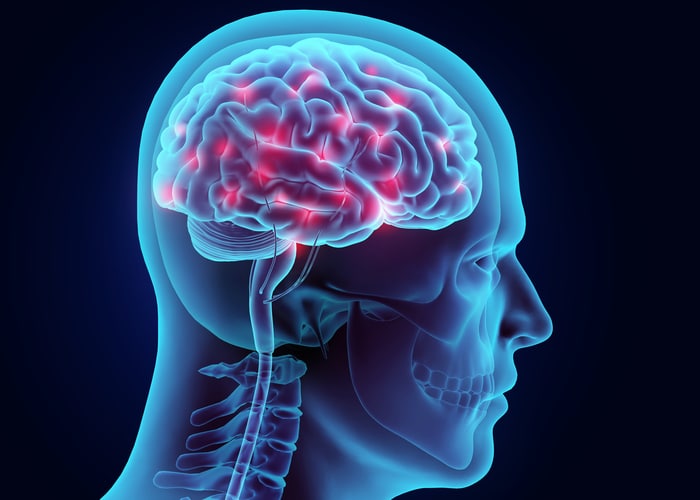
In addition, integrating mindfulness practices, such as mindfulness meditation and physical postures, can significantly enhance mental clarity and focus. These practices not just lessen stress and anxiety but also promote neuroplasticity, the brain's ability to reorganize and restructure itself. Incorporating a lifestyle that includes mindfulness and mental stimulation encourages a vibrant mind, ultimately contributing to a longer, more fulfilling life. Tackling mental health holistically is crucial for nurturing both the mind and body as we age, guaranteeing we continue to thrive throughout the years.